Alberto Manguel, the author of "History of Reading"
likens his own library to the coffin of native earth that Dracula carries with him from Transylvania to London, since he is old, wise and sad enough to see that the future of Reading lies in cds.
Reading, as Peter Conrad states in the
Observer, is
'a ritual of rebirth', which both invigorates the reader and awakens old books to new life. The Count himself was the proud owner of a huge library in his Transylvanian castle, in which the wretched Johnathan Harker, imprisoned in reality by Dracula, spent many of his mornings.
Ο Αλμπέρτο Μανγκουέλ, συγγραφέας του βιβλίου "Ιστορία της Ανάγνωσης", φαν ατικός βιβλιόφιλος, δηλώνει με πικρία ότι η παραδοσιακή του βιβλιοθήκη είναι σαν το φέρετρο του Δράκουλα, που περιέχει το χώμα που τον αναγεννά, και το οποίο πρέπει να κουβαλά μαζί του για να επιβιώσει. Αυτά εν όψει του ζοφερού κατ' αυτόν μέλλοντος όπου τα βιβλία θα συμπιέζονται σε ένα cd και θα αποκλείσουν την ερωτική σχέση με τον αναγνώστη τους. Από την άλλη, ο κριτικός βιβλίων Πήτερ Κόνραντ, είναι πιο αισιόδοξος λέγοντας ότι η ανάγνωση είναι τελετουργία της αναγέννησης που αναζωογονεί τόσο αυτόν που τα διαβάζει, όσο δίνει νέα ζωή σε παλιά βιβλία.
 Πατήστε
εδώ για το άρθρο.
Στο βιβλίο του Στόκερ, ο Δράκουλας κατέχει μια πλούσια βιβλιοθήκη, στην οποία βρίσκει καταφύγιο και παρηγοριά ο δύστυχος Τζόναθαν Χάρκερ, τις ημέρες της ομηρίας του.
Posted by the Greek Library
Ritual of re-birth of the nations could be interpreted the decision took by Germans, Hungarians, and Romanians in nineteenth-century in Transylvania (now in Romania but then a province of Hungary). All of them attributed special importance to rese

arch collections in the creation of their political nations. This study traces the development of the most important repositories of the respective nations: the Germans'
Brukenthal Museum,
the Hungarians' Transylvanian Museum Society, and the
Romanians' Astra. These institutions arose as hybrid museum-libraries and even included archives. Despite this common conception, they developed differently due to the nature of their constituencies, the growing professionalization of libraries, museums, and archives, and political change within Hungary and Romania.
Μιλώντας για αναγέννηση, αξίζει να σημειωθεί ότι η αφύπνιση των εθνών τον 19ο αιώνα ανέτρεξε στις ιστορικές πηγές και τις συλλογές μουσείων για την τεκμηρίωση των διεκδικήσεών τους. (Η Τρανσυλβανία τότε ήταν επαρχία της Ουγγαρίας). Το αποτέλεσμα ήταν να ιδρυθούν οργανισμοί υβριδικοί ανάμεσα σε μουσεία και βιβλιοθήκες, που περιείχαν βέβαια και πηγές και χρησίμευαν σα βάσεις δεδομένων για τις εθνότητες (μειονότητες;) που αργότερα άλλαξαν υπηκοότητα. Αν και άρχισαν με το ίδιο όραμα, η Γερμανία, η Ουγγαρία και η Ρουμανία πήραν τελικά διαφορετικές κατευθύνσεις, που υπαγόρευσαν οι πολιτικές αλλαγές και τα κατά τόπους καθεστώτα.


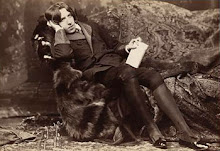
 We initiated our second book "The Picture of Dorian Gray" in Magoula Junior High School library. Four new bookclub members and one of the old ones visited the neighbouring library and did some research of digital and non-digital sources on Oscar Wilde. The result is a list of questions for our next webcam chat with our twinners in Targoviste. Beauty, art, selfulfilment, society's normes, hedonism, good and evil, we've got some tough ones, for you, girls!